Traditional systems detect, then react. AEGIS is different: microencapsulated suppressant sits dormant at the risk point and bursts open automatically the instant heat crosses threshold — no power, no wiring, no human response required.
Smoke detectors, heat sensors and sprinklers all share the same weakness: they are reactive. They wait for a fire to grow large enough to trigger a response — and in enclosed, high-density risk points like battery cabinets, switchboards and cable trays, that delay is often the difference between a contained incident and a catastrophic loss.
Electrical faults and product defects remain leading causes of large-scale fires across Singapore and the region, from data centre battery rooms to EV manufacturing lines — precisely the enclosed, hard-to-reach spaces where conventional detection struggles most.
See Regional Fire Case Studies
AEGIS suspends liquid FK-5-1-12 fire suppressant inside a non-porous, temperature-sensitive polymer shell — turning a liquid extinguisher into a solid, static, always-ready state.
Fire heat weakens the capsule's polymer wall. No detector, no signal — the material itself is the sensor.
FK-5-1-12 vaporises inside the shell, pressure rises, and the capsule bursts open automatically at the exact point of heat.
Released agent absorbs heat below combustion temperature and displaces oxygen below the 15% threshold fire needs to sustain itself.
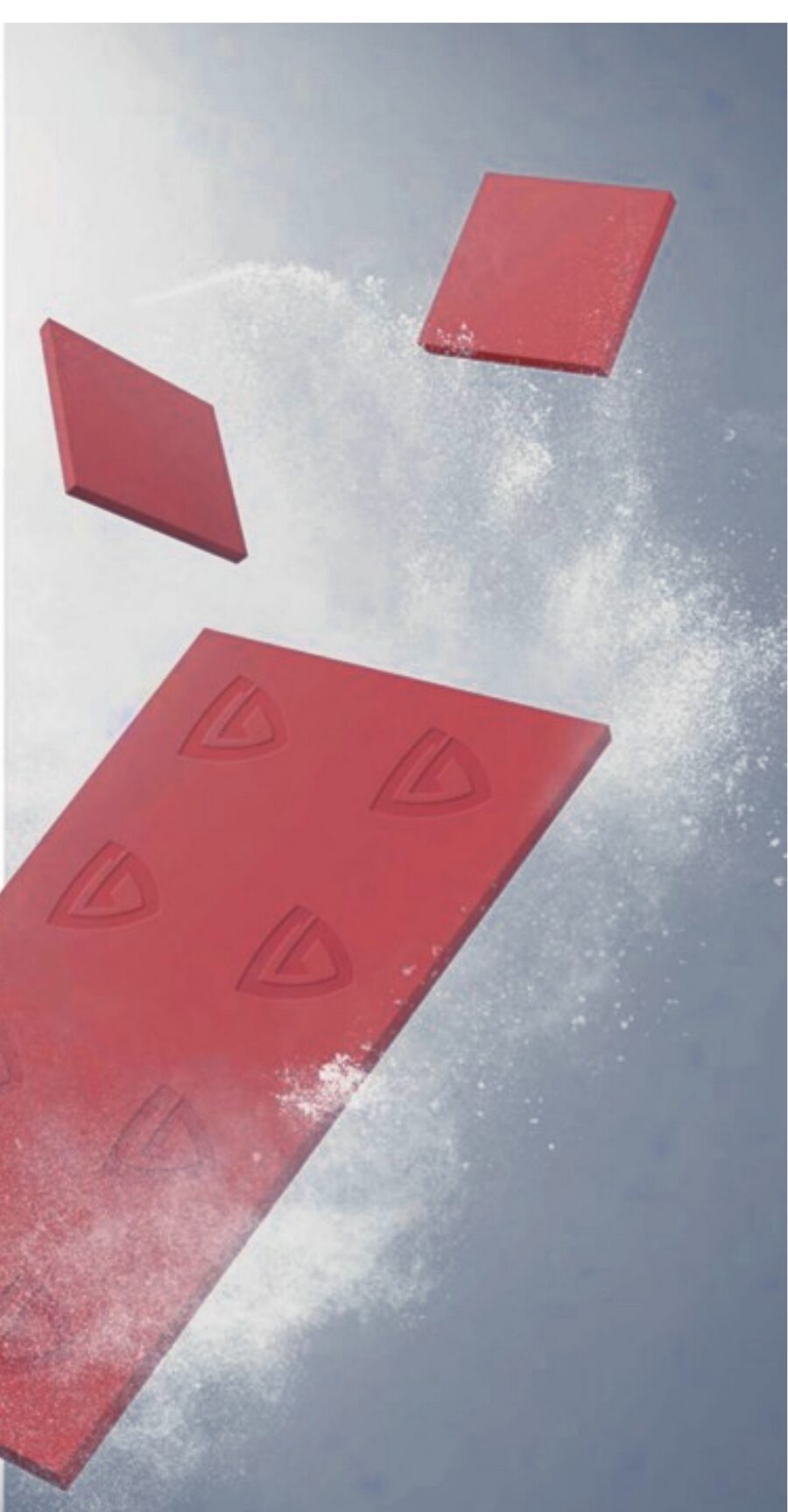
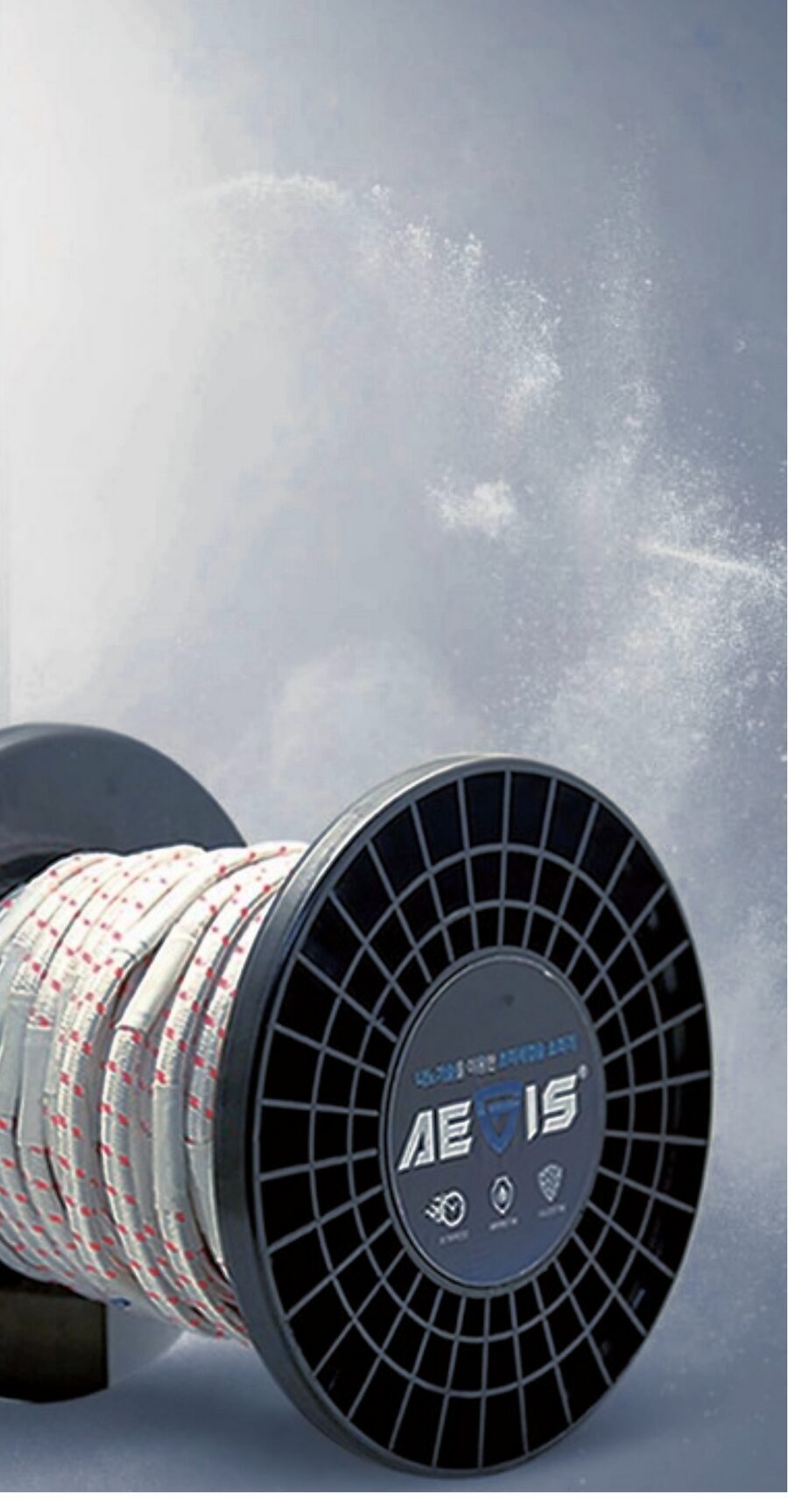
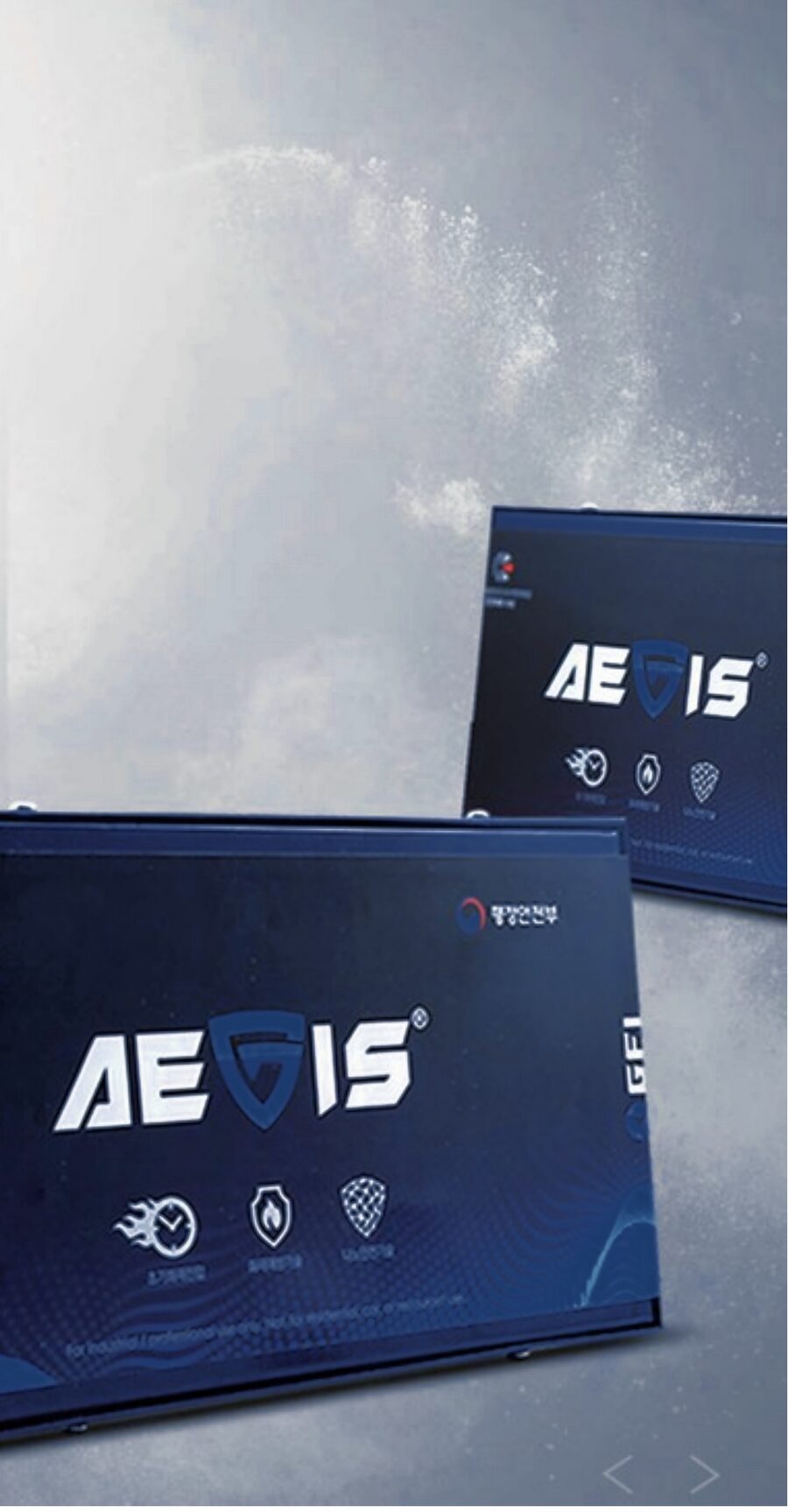
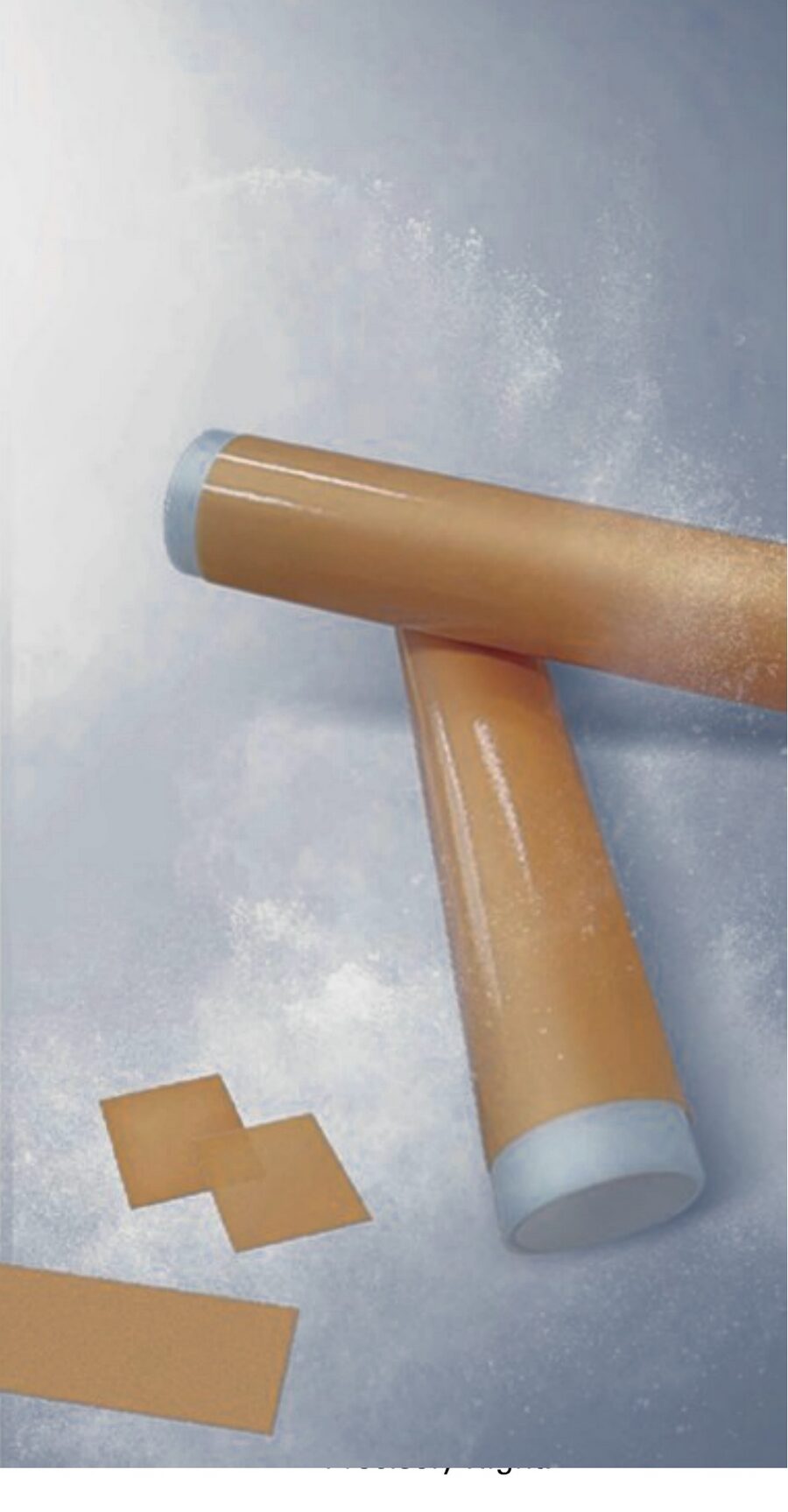
The same microencapsulated FK-5-1-12 agent, engineered into sheet, wire, panel and film formats — matched to how and where your risk actually sits.
Self-adhesive sheet for switchboards, UPS/ESS cabinets and outlets.
Cut-to-length line protection for cable runs and irregular geometries.
Combines PAD + WIRE for large-space protection over 300L.
Flexible ultra-thin protection for battery packs and tight electronics.
TÜV Rheinland engineers map exposure, regulatory obligations and fire safety gaps at your facility.